
Puleng Molebatsi, a person with albinism, is a radio and television content producer, actor, and activist in South Africa. She is well known as the radio host to “The Out and About and Tech Africa” on Channel Africa. This year, 2023, in partnership with the Mothering and Albinism research project, she directed the film titled “Mothering and Albinism in South Africa.” The film communicates the results of our recently completed research project in South Africa.
The following is a conversation between her and Meghann Buyco, Project Coordinator of Mothering and Albinism.
Meghann: How have you been involved in the albinism movement?

Puleng: It depends on the context and audience. I would say an activist. Albinism has always shaped my work in the industry as a producer, presenter, and actress for radio, television, and theatre. I received my education from the University of the Witwatersrand (South Africa) with honours in Dramatic Arts. I went into storytelling as I thought acting was my thing, but I realized the industry is very standardized in terms of characterizations of who makes it in the South African acting scene. I then went to work for the South African Broadcasting Corporation as an intern. That’s when my journey was shaped by where I saw my space. I became a television producer in the news department. At that time, I worked on documentary style programs, which primarily focused on profiling success stories of Africans who were marginalized, like women, children, and people with disabilities. Because I was shortsighted (have low vision), I got demoted immediately from being a content producer to being an admin because I was slow. I continued to be undermined. I grew up going to a boarding school because I was different. Then I went to drama school and I often received remarks like, “You probably won’t make it on TV” because I am different. In the workplace, I was being demoted because I was shortsighted.
Meghann: What motivated you to accept the invitation to make the film on mothering and albinism?
Puleng: I see it from a very spiritual perspective. I had been contemplating because I remained underpaid due to my vision and limited budget to produce more shows. But I wanted to do more. So I started my company (Puleng Modebatsi Media House). When I got the opportunity to work on a short film for the Mothering & Albinism research, it was a training ground for me and an opportunity to find my way in telling stories that I am forever talking about. The opportunity also included the vision to work with people with albinism behind the scenes. I was able to find Kamogelo Machaba, a woman videographer with albinism. I know I needed to support the work of persons with albinism in the film industry. Despite our low vision, we are capable. With the film, I got an opportunity so I can give other people an opportunity.
I think it’s important for people with albinism to join movements from an empowered perspective. You have people who now have education in different spaces, but then how do we get skills? Some people have qualified, but they haven’t worked in the field. This project gave an opportunity for people with albinism to be at the forefront. It was really a life-changing moment. So if you have a production, let them run it. These are people who are educated, who are capable. They know how to portray the stories including those who are disadvantaged and what terminologies to use. I want to humanize them.
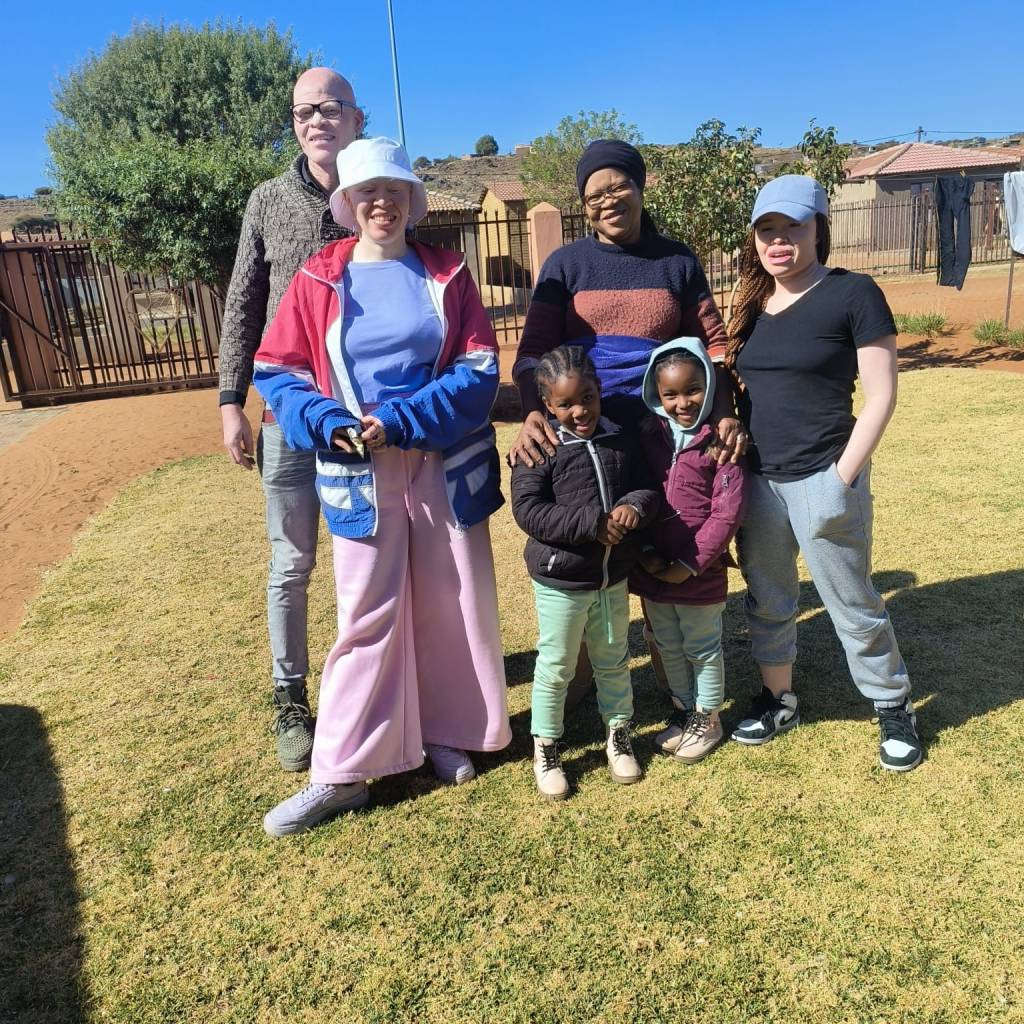
The important thing for me as a producer, presenter, director, and writer, is to humanize albinism as much as possible.
Puleng Molebatsi
Meghann: What was the process of creating the short film? It was filmed in three locations in South Africa. What were some of the logistics at the different locations?
Puleng: When I heard the purpose of the film, I knew I needed to give a wider representation of mothers and their children impacted by albinism especially what it is like in rural and urban areas. Striking a balance in representing the three different locations was a key point for me. Each location needed its own authentic feel and voice. I also wanted to highlight mothers with albinism and mothers who are fully pigmented. As much as the stories are rather similar, I needed to establish individuality. It was important to not put a blanket approach, to listen to the story and give it an authentic representation.
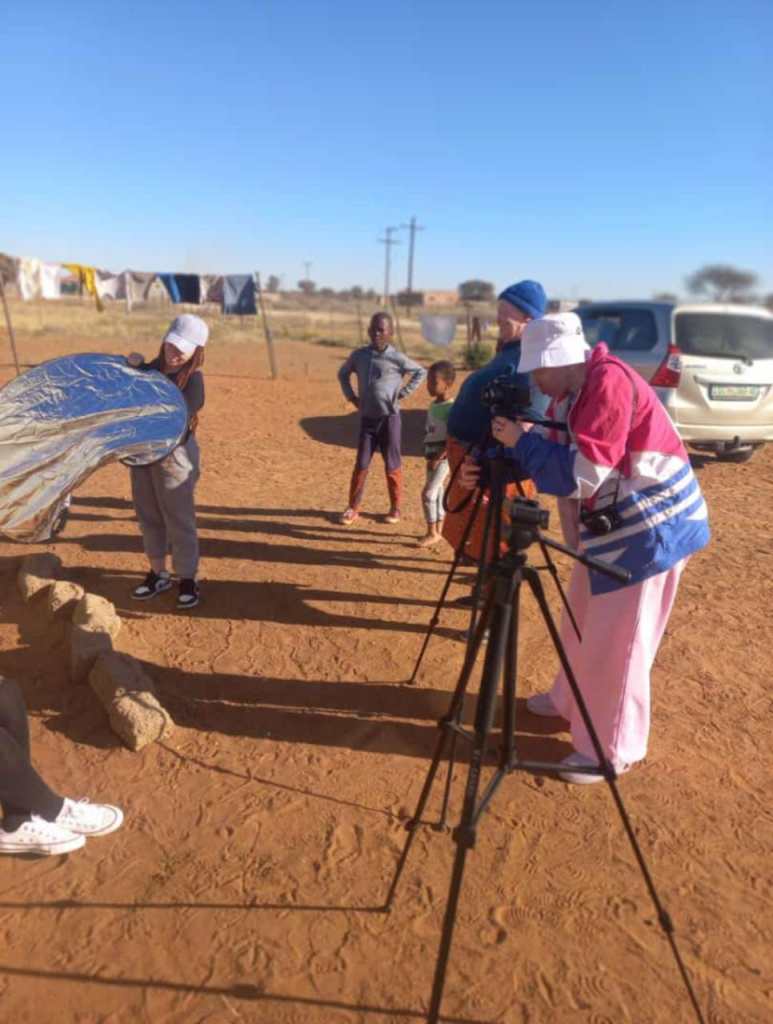
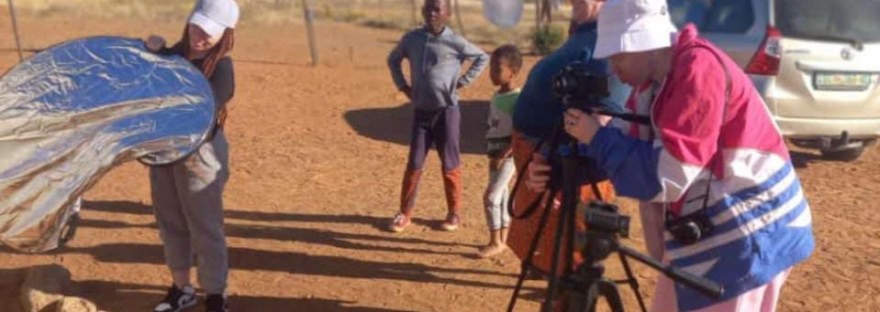
Logistically, we needed to be aware of our travels and what the budget could allow. Northern Cape is far. The public transportation is a struggle and roads are not perfect. Sometimes, you drive a short distance but because of the potholes, it takes you longer to get there. So, we had to be very aware of the time. We were also shooting using sunlight, natural light. We had people with albinism and we also had to bear in mind the harsh sun on the skin and the bright lights. We could not be too long in the sun.
Communication was also an issue because of the poor wifi signal and that people could not afford (mobile) data. We were interviewing mothers who were not able to work and could not drive to the filming sites. You realize people would rather use the money you provide for groceries. These are not just stories for film. What happens tomorrow?
In acknowledging the human aspect of our work, how can we relate as a community because the film itself is a form of activism?
Puleng Molebatsi
How does it impact people? It impacts people by telling their stories and making the public aware and showcasing the research but how do we change their lives when we leave? Do I leave with a relationship that is going to have a long-term impact? There’s a lot of nuances. We need more time and resources. I think that was what I picked up as a producer.
Meghann: What was the highlight for you during the making of the film?
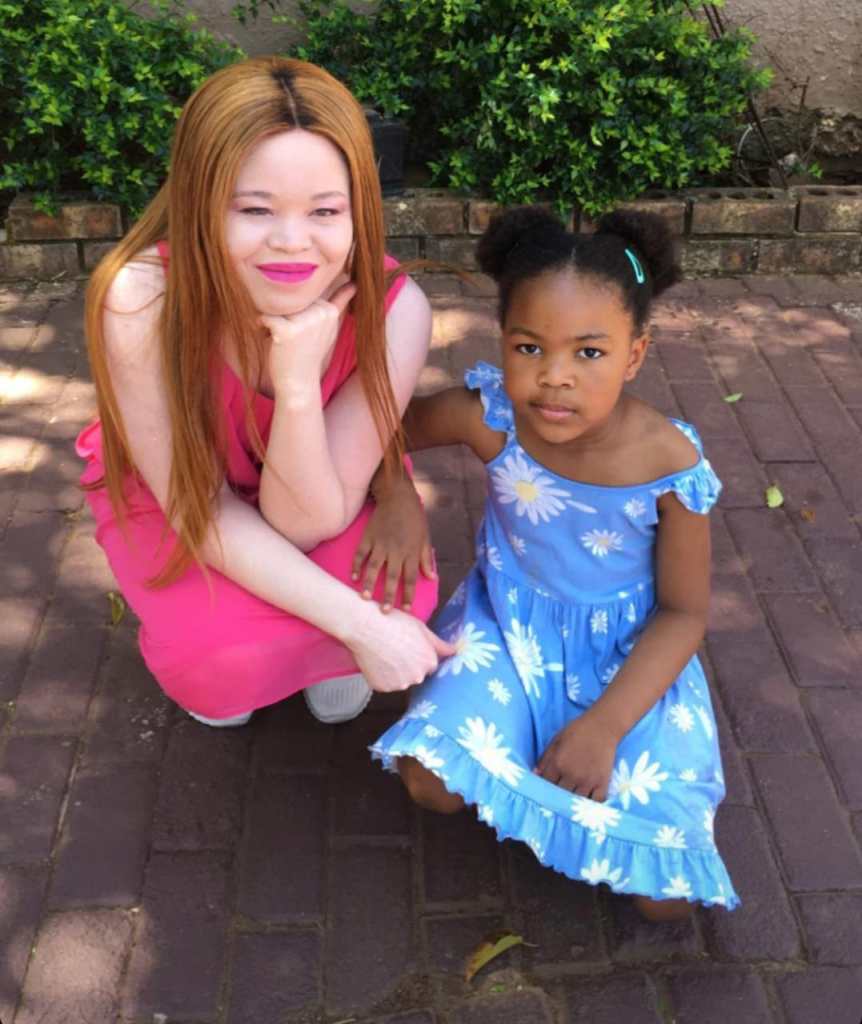
Puleng: I think the highlight more than anything was meeting women like Tshego (mother of a child with albinism). Their stories need to be told. In Tshego’s story, I was really inspired by her as she became an activist herself despite what other people speculated as to why she had a baby with albinism. These women impacted by albinism have different stories and, wow, they are all incredible individuals in their own right! They love their babies and they do an amazing job in representing their kids. Meeting these incredible mothers for me was great and they even provided me with support. When I brought my daughter to the two locations in Johannesburg, the women supported me when I was shooting to keep my daughter busy.
Women are incredible! When you are surrounded by women, you get all kinds of support.
Puleng Molebatsi
Moreover, to tap into the activism space of the Albinism Society of South Africa (ASSA) stood out during the making of the film. I had worked with them previously but it was cool to see how they support the mothers and provide resources, such as dignity packs. Also at the genetics clinic, it was interesting to meet and sit with the genetic counselors. It opened my eyes to see the support that mothers should be getting.
Finally, I will never forget sitting with an editor the last few days and putting all the logos including my company logo. Sometimes, things just come as dreams or visions but you realize just how powerful you can be. Sometimes, you do not need millions. You just need to tap into that power. My power is how I relate with people and people are always willing to listen and assist. People are willing to trust me because I give everything in my heart.
Meghann: What are your plans for promoting this film within your networks?
Puleng: I do not have a specific platform. I know it will make it in educational spaces. I think it will be quite incredible to submit it for, especially, women or educational awards and film educational platforms. From an empowered standpoint, I think we need to see women with albinism as producers.
Meghann: What is your message to persons with albinism, families, and advocates who have been a part of raising awareness and promoting the rights of persons with albinism?

Puleng: Not all of us are in positions where we can access education. There is still a lot of work to be done. We need to look for opportunities to get to different spaces. We then need to move from an individualistic approach and towards a collective win in this activism space. We need to provide an opportunity for people who can enhance or bring more. We need to discover who we are so that we are able to give other people with albinism an opportunity. It is going to take a huge number of people to establish the kind of change that we want to see in this space of creating awareness and access to health, and education, as well as access to the film industries or correct representation in the media. Let us support one another.
Written by:
Puleng Molebatsi, Producer of the “Mothering and Albinism in South Africa”
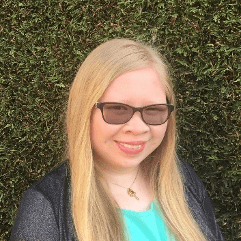
Meghann Buyco, Project Coordinator
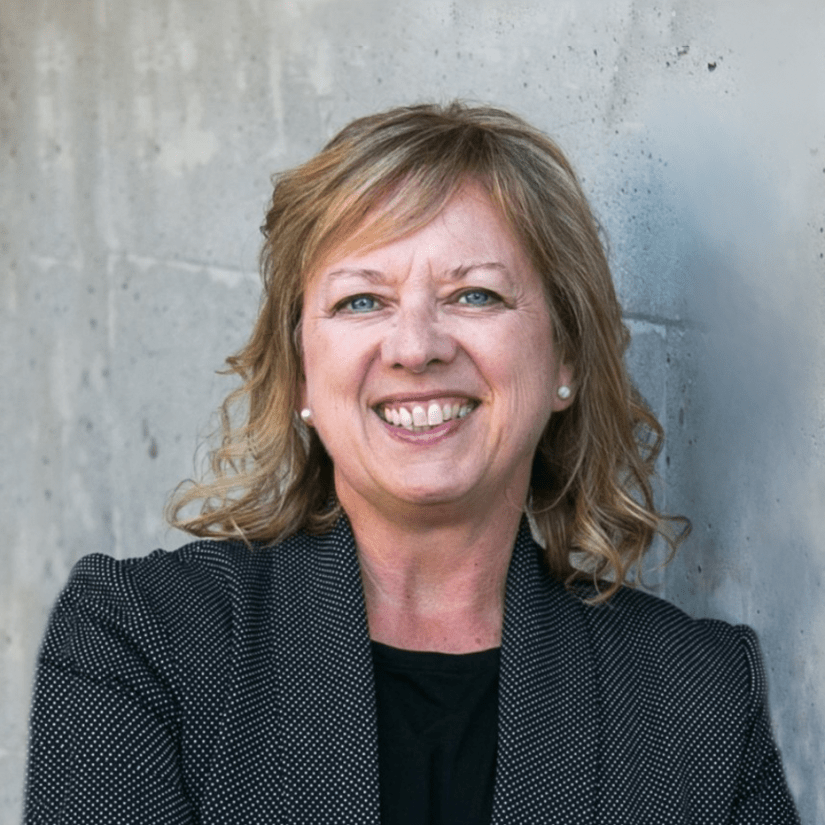
Dr. Sheryl Reimer-Kirkham, Project Lead
Dr. Barbara Astle, Project Co-lead

 Mothering & Albinism