
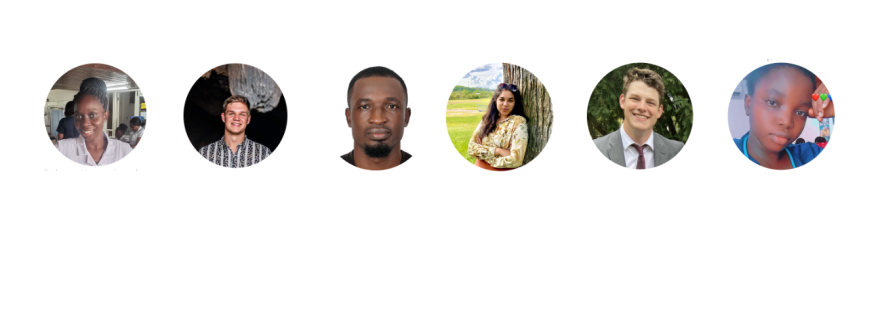
Over the last year, we as student interns from Canada and Ghana have taken part in the international Mothering and Albinism research project. Our internship journey began by familiarizing ourselves with the project and the composition of the research-policy-advocacy network. We partook in the internship with the aim of learning about the research and about albinism and the Social Determinants of Health (SDOH) that impact this population globally. We specifically focused on sub-Saharan Africa where the prevalence and the risks of skin cancer are higher, and where local beliefs, such as that PWA are cursed, perpetuate discrimination and violence.
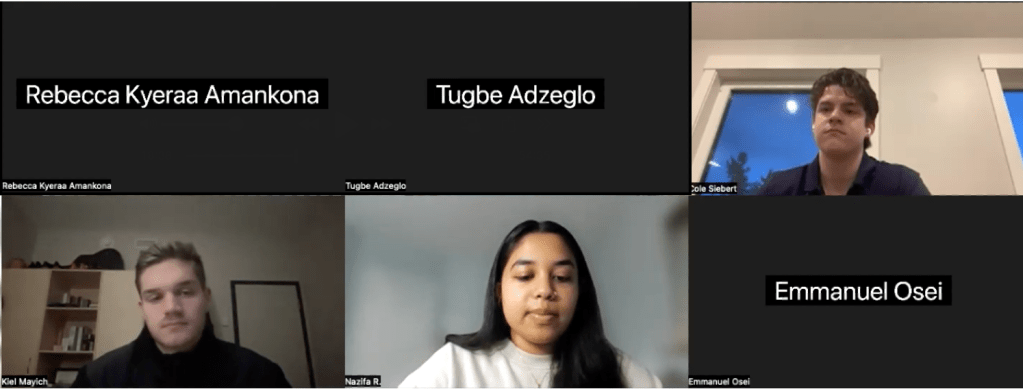
Most of us have never met in person because we are located in different countries, however, we have found ways “online” to work together and collaborate on several different objectives.
Working with a group that met solely online was both challenging and rewarding. Initially, I felt a sense of distance since we couldn’t interact face-to-face, which made building rapport difficult. However, I quickly realized that the online format allowed for diverse perspectives and flexible scheduling. – Rebecca Kyeraa Amankona
ENGAGING WITH RESEARCH MEMBERS
We had the privilege to learn from four scholars who have been in the research sphere for years in our “Meet the Author” meetings. The first author, Dr Jennifer Kromberg, spoke about her research in the field of albinism with respect to mothers who have given birth to children with the condition in the 1980s. Her extensive background in albinism and genetic counselling gave us a different perspective and deeper understanding of the condition.
We also had the pleasure of learning from three other authors: Emma Strobell, Kwame Andrews Daklo and Dr Michael Lang where they spoke about their experience and focus of research. Emma Strobell is a public health nurse whose master’s thesis was the pilot study in Tanzania for Mothering & Albinism. Kwame Andrews Daklo has an extensive background in advocacy for PWA, with a human rights approach with a focus on promoting not only education about the condition, but also the SDOHs and the impact of climate change on PWA.About our session with Dr. Lang, one of the Interns stated:
I was struck by Dr. Lang’s research on storytelling as a means for coping with adversity especially as it relates to one’s view of the difficulty they are experiencing. The fact that people reported the largest benefit from storytelling once they had come to view their challenge as an opportunity for growth and character-building, emulates the same determination and hope found in so many of the families we researched. I think that this highlights the fact that, regardless of circumstances, there is always room for someone to exercise autonomy and work towards a better outcome. I view that as both an empowering and dignifying conclusion from Dr. Lang’s research. – Kiel Mayich
VIDEO ANALYSIS
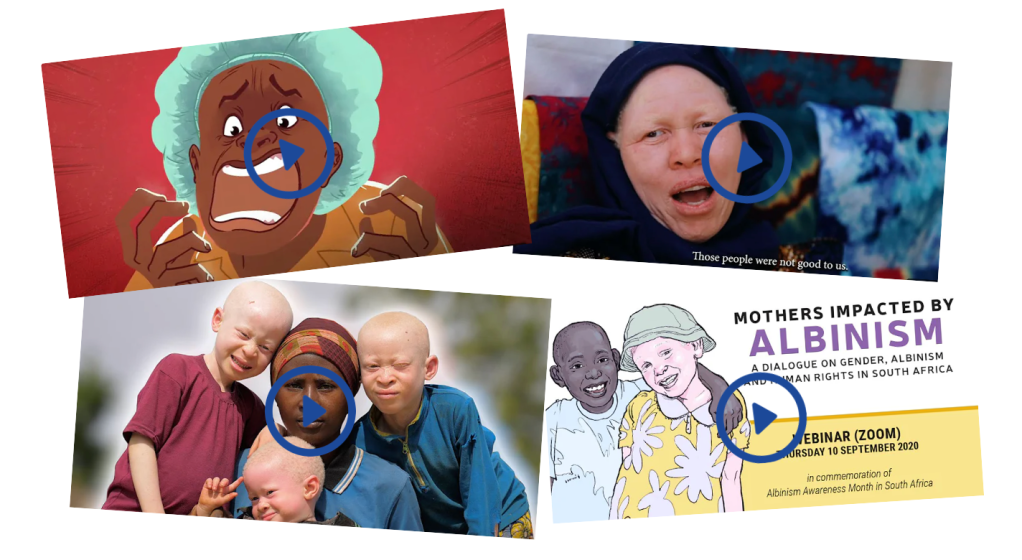
Commencing in the Fall of 2023, we collaboratively conducted a video analysis titled “The Situation of Mothers Impacted by Albinism in sub-Saharan Africa: A Video Analysis”, synthesizing videos identified by the Mothering & Albinism team that featured mothers and families affected by albinism, particularly on insights about perinatal experiences and early childhood. The videos ranged in length from 2 minutes to an hour long and were all from sub-Saharan Africa. We documented who was in the videos, their experiences in correlation to albinism, and the supportive and unsupportive factors that impacted their experience, including the reactions of healthcare providers and community members to the condition. Given our respective backgrounds, we had different skills that we contributed during our collaborative video analysis. As one of the student interns stated:
I think the most crucial skill I brought in was critical analysis, especially when reviewing the videos for our analysis. My academic background in population health and research methodologies equipped me with the ability to look beyond surface-level information and understand the underlying themes and narratives presented in the videos. It allowed me to approach the content from multiple perspectives, considering both the social and cultural contexts of albinism. This critical lens helped me identify patterns and insights that contributed to our project’s findings, making my classroom learning highly relevant and applicable in this research setting. – Nazifa Rashid
To share our video analysis, we had the opportunity to collaboratively write and submit a paper under the guidance of the Project Leads Dr. Reimer-Kirkham and Dr. Astle, and Project Coordinator, Meghann Buyco. This gave us experience in the synthesizing, writing and editing of the final paper to a student-led research journal for publication. As two student interns stated:
Working on the paper for publication was both exciting and intimidating. It felt good to contribute to something that could change the field, especially on a topic that is so important and impacts so many people’s lives. Editing the paper was a learning process in and of itself; it required careful attention to detail and teamwork to make sure that our voices were clear and united. It was encouraging and intriguing. – Adzeglo Tugbe
The project was exceptionally well-organized from start to finish, thanks largely to the thoughtful planning of Meghann, Dr. Reimer-Kirkham, and Dr. Astle. Looking back, it’s clear how the progression made perfect sense. We began by building a foundational understanding of albinism, followed by watching videos and reading articles to deepen our knowledge. From there, we identified key trends and consolidated our findings, which ultimately allowed us to synthesize everything into a cohesive paper. This structured approach ensured that each phase built seamlessly upon the last, leading to a well-rounded and comprehensive outcome. – Nazifa Rashid
The whole experience has been enlightening for the intern team; going in, most of us did not know anyone with albinism and did not have knowledge about the challenges they are facing daily, but we wanted to learn about the condition and what social factors affect people living with it. As another student Intern stated:
I came on to this project with an open mind to explore and this exploration has given me a direction to focus on in my career as a barrister to be, I want to specialize in human right laws to be able to stand up for voice less and the helpless people in our society, especially persons with disabilities who are mostly rejected and treated differently because of their disabilities. I was to pursue my career in this direction as this project has exposed me to a societal menace that needs to be addressed properly to make the society a better place for persons with disabilities. – Emmanuel Osei
Although our time with the Mothering & Albinism project has come to an end and the next set of interns has already started on their duties, we will look back on our time with fond memories, grateful for the experiences we had. Even though there were challenges with scheduling and school seasons being opposite, we worked as a team and rose to the occasion. To all who are a part of the Mothering and Albinism network, and all who worked to make our experiences possible, we are deeply grateful for the opportunity that was presented to us to be a part of this research. With none of us interns being persons with albinism and all of us having varying degrees of interaction with those who are, it has been a truly eye-opening experience that we would not get anywhere else.
Written by:
Cole Siebert, student intern, Trinity Western University, Canada
With Contributions:
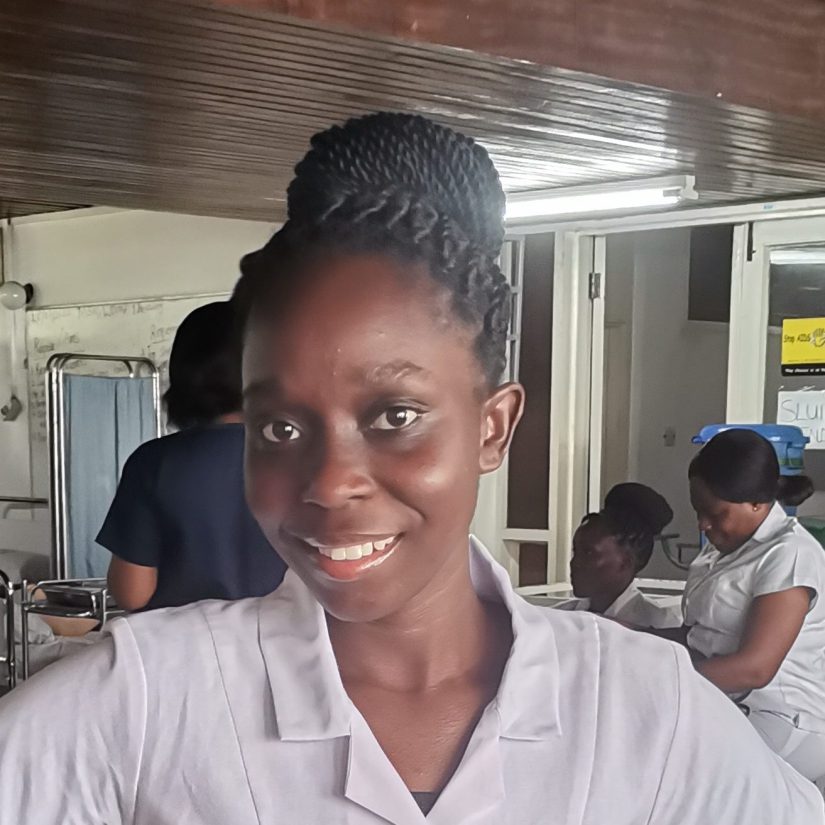
Rebecca Kyeraa Amankona, student intern, University of Ghana, Ghana
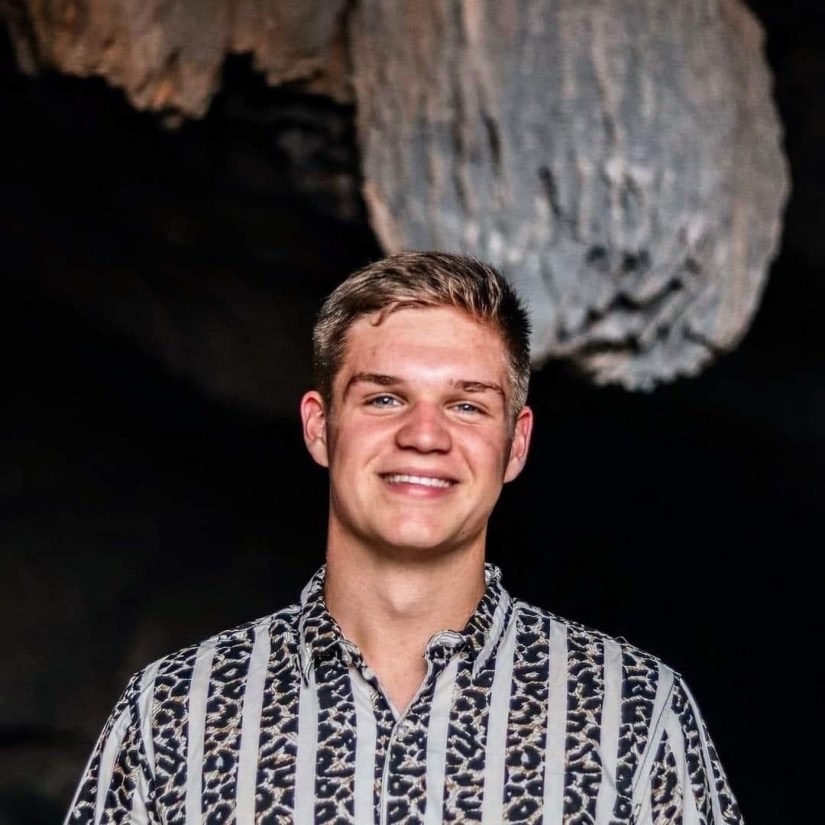
Kiel Mayich, student intern, Trinity Western University, Canada
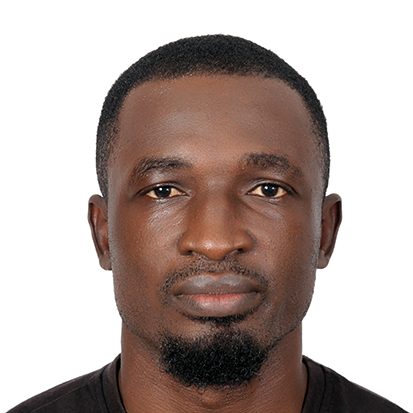
Emmanuel Osei, student intern, Central University, Ghana
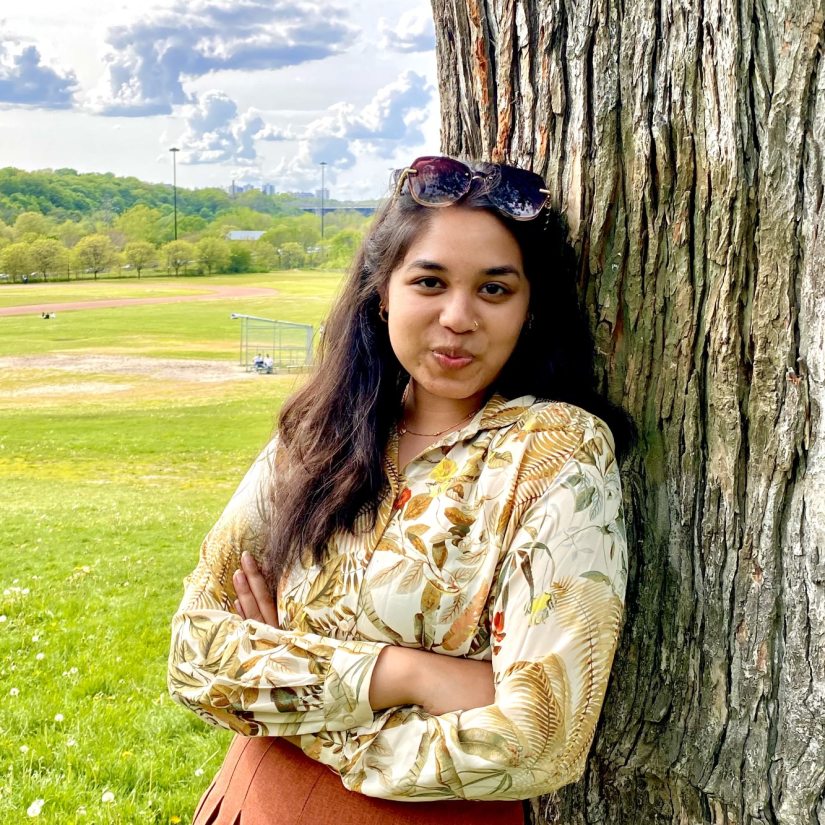
Nazifa Rashid, student intern, University of Toronto, Canada
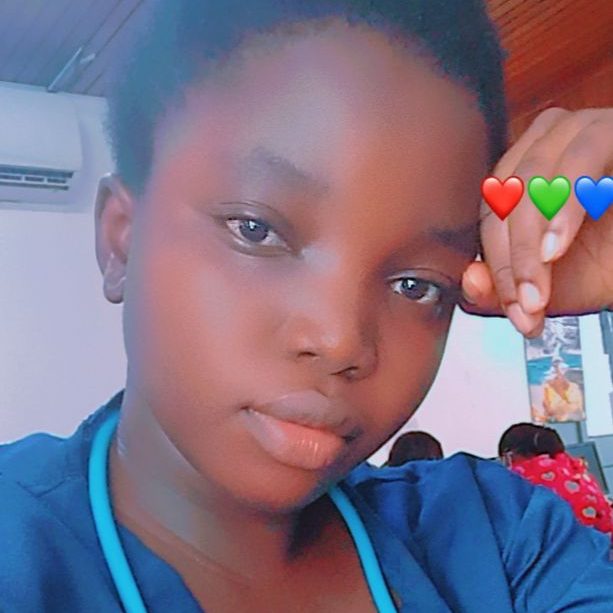
Adzeglo Tugbe, student intern, University of Ghana, Ghana

 Mothering & Albinism