
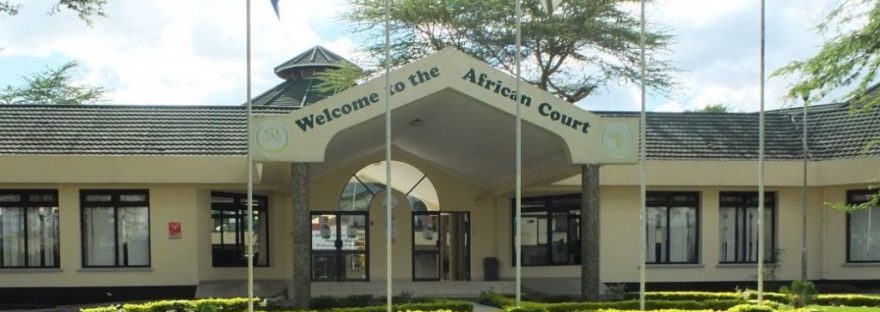
Three non-governmental organizations, the Centre for Human Rights (University of Pretoria), the Institute for Human Rights and Development in Africa (IHRDA) and the Legal and Human Rights Centre (LHRC), filed a case (Application No. 019/2018) on January 26th, 2018 to the African Court on Human and Peoples’ Rights against the Republic of Tanzania in regards to the human rights violations experienced by persons with albinism.
They emphasized that persons with albinism “endured persecution and humiliation, in particular killings and mutilations” throughout history in the country. The case also highlighted the socio-political challenges persons with albinism face due to their vision impairment, susceptibility to skin cancer, and discrimination and ostracization.
A public hearing was held on September 10th, 2024 in Arusha, Tanzania. The Court heard the challenges faced by persons with albinism in Tanzania especially pertaining to their right to life, health, and education. Muluka Miti-Drummond (United Nations Independent Expert on the rights of persons with albinism) and Ikponwosa Ero (on behalf of Under the Same Sun) attended as itervenors/amicus. The full public hearing was livestreamed, and you can access it on YouTube:
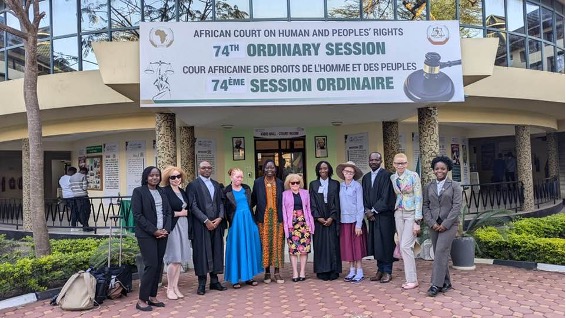
On February 5th, 2025, the African Court on Human and Peoples’ Rights delivered a significant judgment in the protection and promotion of the rights of persons with albinism.
The Court ruled that Tanzania violated the rights of persons with albinism to:
- Life
- Equality and non-discrimination
- Dignity and freedom from torture and non-degrading treatment
- Education
- Health
- Not to be subjected to abduction, sale, and trafficking
The Court then called on the Republic of Tanzania to implement steps such as:
- Providing compensations to victims
- Amending existing laws to strengthen the protection against violence and discrimination
- Implementing its national plan of action on the promotion and protection of the rights of persons with albinism
- Enhancing access to education, healthcare & child protection services
- Addressing concerns pertaining to children in shelters
- Addressing issues related to trafficking, abduction and the sale of children with albinism
The Court ordered that the government provide a report of the implementation within two years. If they do not comply in the next three years, an implementation hearing will be held.
This ruling is a significant milestone for the albinism movement. We are grateful that research findings from the Mothering & Albinism network were cited to support the case as it was argued. Congratulations to the legal team and all those involved.

 Mothering & Albinism