

In health research, interviews are used as tools for gathering data to answer questions; however, sometimes, interviews can really become something more, such as spaces for raw honesty, emotional truth, and collective awakening. This blog post reflects on such an experience whereby a focus group discussion was conducted with student nurses for data collection about the care and support of mothers who have given birth to children with albinism in South Africa’s healthcare settings.

Facilitated by a small team of interviewers, including ourselves (Samkelo and Definately), the session was designed to explore students’ knowledge, perceptions, and experiences regarding albinism in maternity care. What unfolded was far more powerful and sobering than anticipated. We heard candid stories from the participants of neglect and stigma when encountering clinical situations of mothers who had given birth to a baby with albinism. As a result, the participants spoke about the importance of having changes be made to the curriculum around providing respectful maternity care. Such stories appeared to illuminate the complex situations that nurses face daily, which impact the care provided.
This reflection offers a window into the experience from the interviewers’ perspective. It unpacks not just what was said, but what it meant to hear it—to hold space for voices that are often overlooked, and to confront the gaps in our systems, training, and compassion. We share the lessons we’ve learned, the discomfort we sat with, and the hope we carry forward — that by listening deeply, we can lead more thoughtfully and, ultimately, care more justly.
From the outset, we were acutely aware of the privilege of occupying the space of “interviewer.” While our role was to facilitate the focus group discussion, it became increasingly clear that active and intentional listening was the most vital skill we could bring to the session. The participants did not just provide answers; they brought lived realities, emotions, contradictions, and their vulnerabilities into the room. Listening to the accounts of stigma, clinical gaps, and systemic neglect made it impossible not to be moved and changed. We were bearing witness to the underbelly of health education and practice. In doing so, we realized that the interview space can and should be a site of advocacy. Every silence we held, every moment we let someone speak uninterrupted, affirmed the importance of their voice. At times, the participants were more honest than we expected, particularly when reflecting on the lack of training or the insensitive practices they had witnessed from senior healthcare workers. As interviewers, we had to manage our reactions to not interrupt with solutions or justifications but to hold space.
Every silence we held, every moment we let someone speak uninterrupted, affirmed the importance of their voice.
Many participants shared deeply personal stories of watching midwives abuse patients, of growing up with people with albinism, or of volunteering in vulnerable communities. One participant recalled how their own great-grandmother, a traditional midwife, had no understanding of albinism and that the practice, at that time, was to hide or misrepresent the child’s condition. These recollections forced us to reckon with how deeply rooted stigma can be in professional gaps, as well as in cultural and familial traditions.
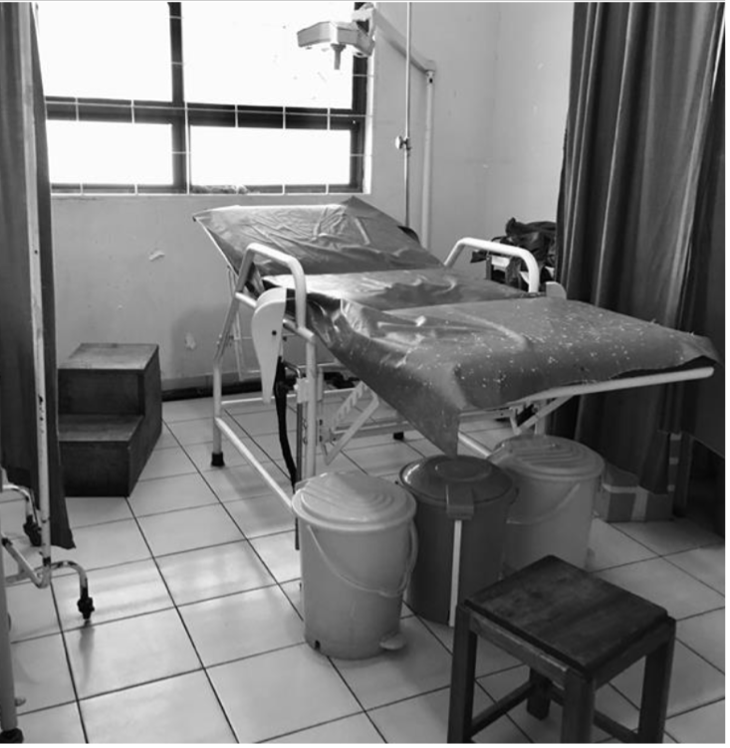
We also had to manage our own discomfort. As interviewers, we are trained to remain neutral and to avoid leading the conversation. However, when a participant describes a midwife slapping a patient or recalls watching seniors ignore informed consent, neutrality feels like complicity. We had to carefully balance acknowledgement and inquiry, affirming the participant’s courage to speak freely while probing gently for more context. As interviewers, there were times when we had to pause and ask ourselves: How do we hold such painful truths responsibly? What is our ethical role in this research? While the session was designed to gather insights for increased healthcare access, curriculum development, and policy change, the focus group felt more like group therapy, especially as students reflected on how unsupported they felt within the clinical hierarchy. The conversation about whistleblowing and how powerless they felt to report senior nurses was particularly painful. We were left wondering: How do we protect those who speak out?
A key learning from this experience was how discomfort can be a powerful tool for reflection and transformation, not just for participants, but for us as interviewers. There were moments when the silence after a question was telling. When students struggled to answer whether respectful maternity care was practiced widely or when they revealed that most of their knowledge about albinism came from a five-slide lecture, we felt the gap and the guilt of systems that had failed to prepare us as nursing students.
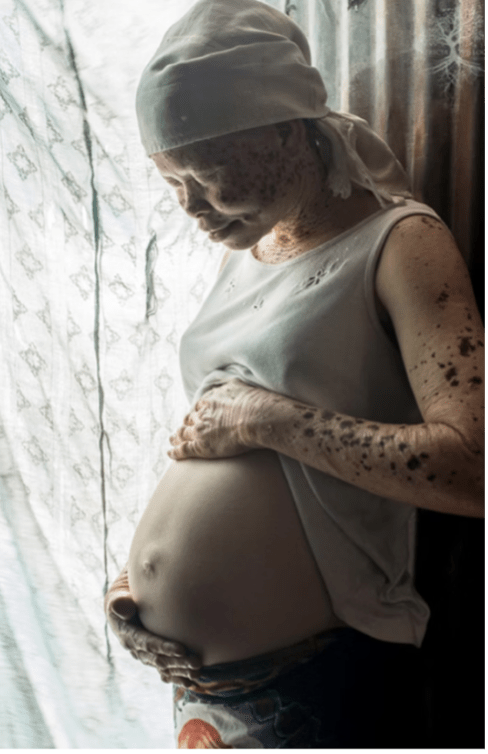
The most powerful moments of the interview were when the students moved from individual accounts to collective insights. They began suggesting changes: curriculum reform, simulation videos, better awareness campaigns, inclusion of albinism in antenatal education, and protocols for respectful care. In those moments, the session became a space of co-creation. We were no longer simply interviewers and participants but as co-creators of a better, more inclusive healthcare system. It was humbling to hear that, even in the face of systemic shortcomings, the students remained hopeful and solutions-oriented. They saw themselves as future agents of change, even if they felt disempowered now.
Their calls for educational reform and better policy enforcement were not demands made out of entitlement but out of deep care for their future patients, for their profession, and for society.
We also learned that interviews of this kind must be conducted with great sensitivity. Participants needed reminders of anonymity, consent, and emotional safety. The fact that they shared so openly suggests that we created a safe space—but that safety must be earned and continually maintained. This type of focus group interview redefined our understanding of what it means to be interviewers. We were collecting data as well as enablers for a moment of collective sense-making. Our roles shifted fluidly from facilitators to learners, from researchers to witnesses.
In some ways, we felt morally obligated to carry their stories forward, to ensure they weren’t just words trapped in a transcript but catalysts for action.
As we reflected on this experience, several key takeaways stood out for us:
- There is a critical gap in how albinism is addressed in healthcare training, both in content and context. Nursing students feel unprepared and under-informed.
- Respectful maternity care is inconsistently practiced, and its implementation is often hindered by toxic ward dynamics, persisting hierarchies, and lack of accountability.
- Cultural beliefs and stigma remain powerful forces in shaping how albinism is perceived and managed, both in hospitals and communities.
- Students want more — more education, more empathy, and more ethical leadership. They are ready to be change agents, but they need tools and support them.
- We, as interviewers, have a duty to not only document these findings but also advocate for change, co-design interventions, and ensure these voices are heard by those in power.
This focus group interview was more than a research tool; it was a mirror held up to our collective values, assumptions, and responsibilities. It left us with both a challenge and a promise: to do better, to push harder, and to always remember that the stories we hear come with the weight of human dignity and the hope for a better future. Listening to the student nurses share their personal encounters, professional uncertainties, and emotional burdens opened our eyes to the realities they face and the gaps within our systems. We were not just hearing about albinism or maternity care but also witnessing the lived consequences of undereducation, stigma, cultural tension, and systemic silence. What stood out most was the participants’ honesty and courage. They did not hold back from naming what they had seen or experienced, even when it reflected poorly on institutions or mentors. Their willingness to speak from the heart transformed the room into a space of mutual learning. We were moved by their insight, saddened by their challenges, and inspired by their readiness to be part of the solution.
This focus group interview reminded us that they are not just opportunities to extract knowledge they are opportunities to build relationships, restore dignity, and amplify underrepresented voices. We walked away with more than notes and recordings. We left with a renewed sense of duty to ensure that these conversations translate into action in curricula, healthcare provision, policies, and everyday societal practice.
Ultimately, this experience reinforced the need for empathy, accountability, and equity in healthcare. It challenged us to be better facilitators, researchers, and advocates because every story shared was a call to do more, and to do it with humanity at the centre.
Written by:
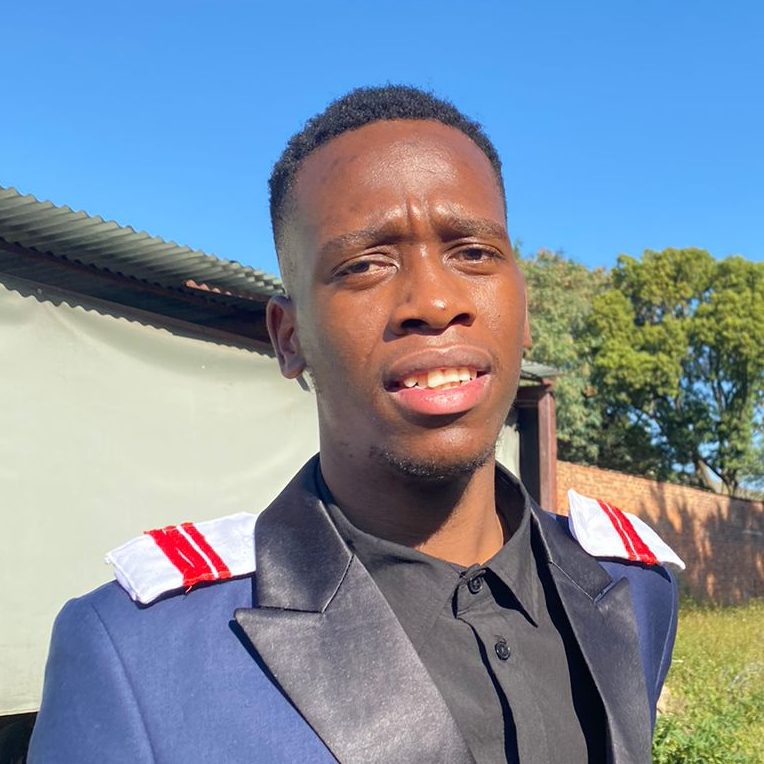
Samkelo Mindebele, student intern 2024-2025, University of Pretoria, South Africa.
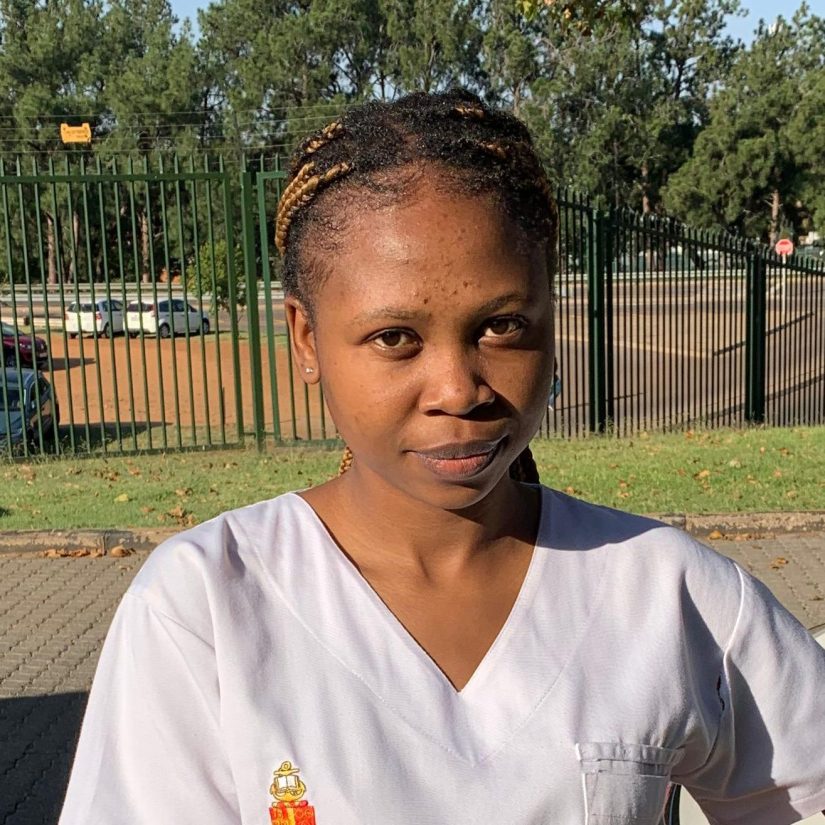
Definitely Mutsvangwa, student intern 2024-2025, University of Pretoria, South Africa.

 Mothering & Albinism