
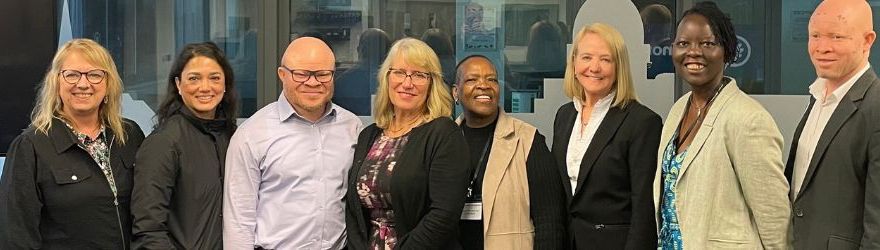
In the past months, Mothering & Albinism team members have presented our work at two international conferences.
African Studies Association, Chicago, IL, December 2024
Our team took advantage of the opportunity to present the work of our Mothering and Albinism Network at the African Studies Association Annual Meeting in Chicago in December 2024.
This venue allowed us to situate our albinism research in the dynamic and interdisciplinary scholarship on global Africa in relation to global development, decolonization, gender equality, climate change, peace and security, and knowledge production.
Our panel comprised six papers supporting the Sustainable Development Goals to spark a rich discussion on human rights, inclusive development, and knowledge generation and translation, with insights transferable to multiple critical African themes. Our presentations resonated with the session attendees in relation to the everyday experience of mothers impacted by albinism, the complexity of ethnographic fieldwork in multiple sites (including Global North:Global South relations), and how medical knowledge about the varied forms of albinism can contribute to our research.
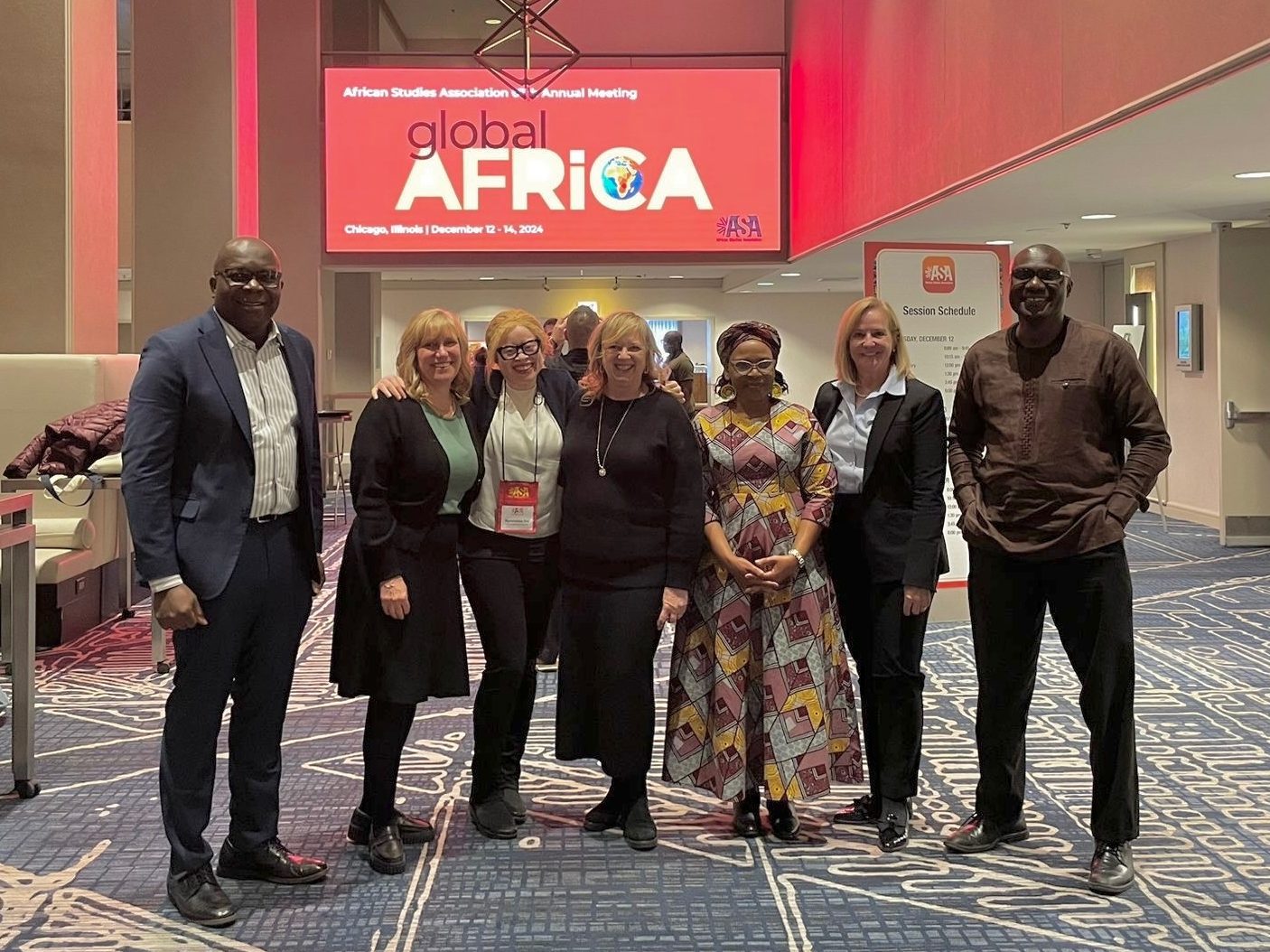
Panel Outline:
- Welcome + Introduction – Dr. Wisdom Tettey (University of Toronto)
- View of Video Clip from Tanzania (see here) and South Africa (see here)
- Advancing Gender Justice for Women impacted by Albinism – Dr. Sheryl Reimer-Kirkham, Trinity Western University
- Framing the Rights of Persons with Albinism within the Global Human Rights Movement – Dr. Bonny Ibhawoh, McMaster University
- Climate Justice: Human Rights for Persons with Albinism – Dr. Barbara Astle, Trinity Western University
- Health Equity & Respectful Maternity Care as Pathways to the Enjoyment of Human Rights for Women Impacted by Albinism – Dr. Tintswalo Victoria Nesengani, University of Pretoria
- Albinism, Art, and Activism in Sub-Saharan Africa: Walking Together in Good Ways – Dr. Kendra Rieger, Trinity Western University
- RESPONSE by Ms. Ikponwosa Ero, Africa Albinism Network
Information about the conference is available here.
International Albinism Conference, Lancaster, September 15 – 17, 2025
More recently, another group from the Mothering and Albinism network presented at the International Albinism Conference hosted at Lancaster University by the School of Global Affairs. To mark 10 years of the mandate of the Independent Expert on the Rights of Persons with Albinism, the conference brought together albinism advocates, associations, and human rights defenders, and researchers from a range of disciplines and those working across disciplines.
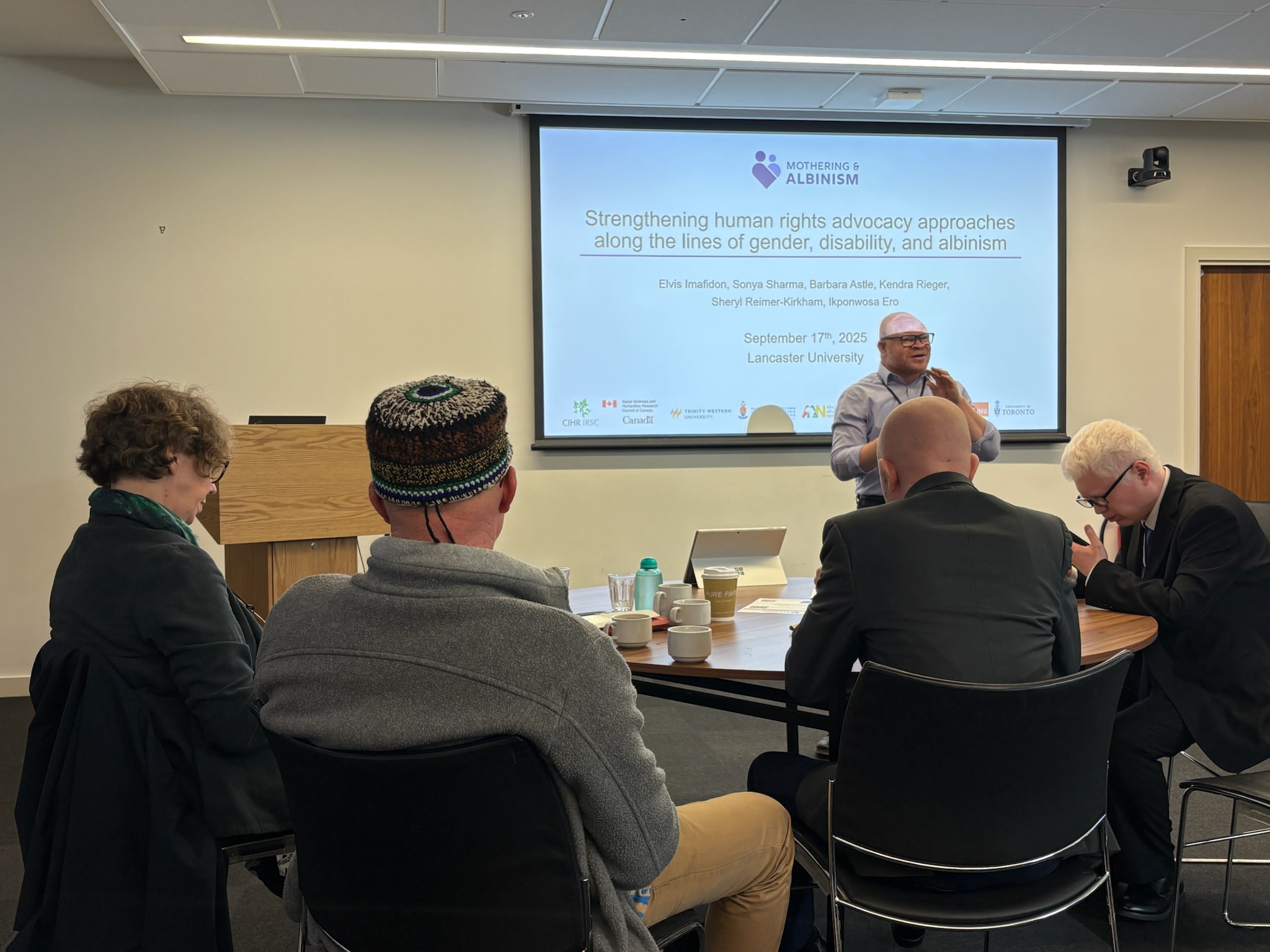
Chaired by Dr. Elvis Imafidon (SOAS, University of London), we presented a roundtable entitled “Strengthening human rights advocacy approaches along the lines of gender, disability, and albinism”. The aim of the Roundtable was to report on our research that is demonstrating how cross-movement work between albinism advocates, disability advocates, climate advocates, and women’s rights advocates can foster women impacted by albinism to be fully participating, equal citizens in their communities, with social, economic, and cultural inclusion.
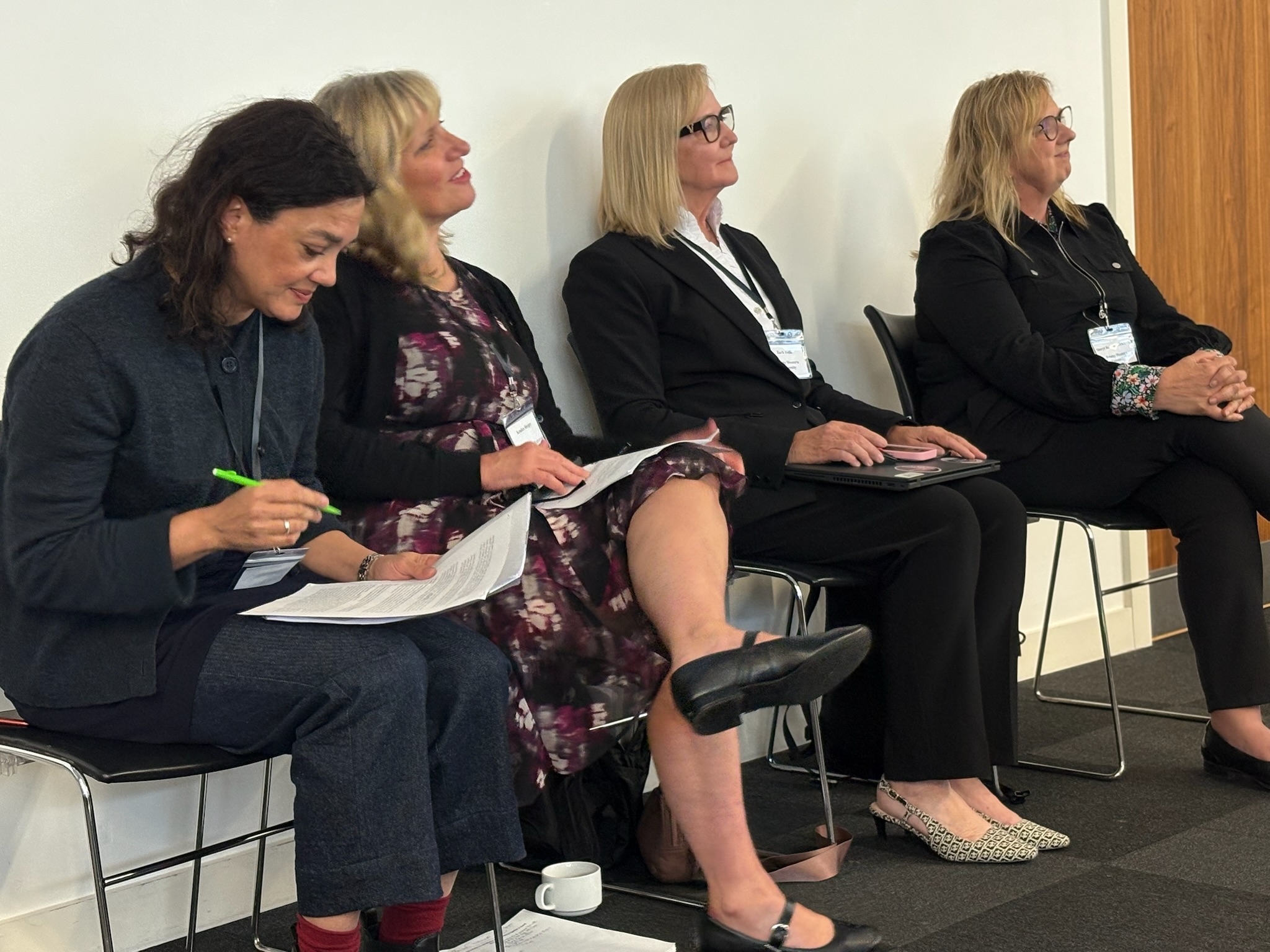
Our papers include:
- Addressed the theoretical foundations considerations for the study of gender and albinism – Dr. Sonya Sharma, University College London
- Described the intersectoral approaches to research on albinism and human rights — Dr. Barbara Astle, Trinity Western University
- Presented recommendations countering sexual and gender-based violence and empowering women with disabilities, including women impacted by albinism — Ms. Ikponwosa Ero, Africa Albinism Network
- Analyzed how to mitigate the experiences around the birth of an infant with albinism that are imbricated with violence — Dr. Kendra Rieger, Trinity Western University
- Explored how human rights defenders—women impacted by albinism themselves and community and faith leaders—become more impactful through agency and capacity-building — Dr. Sheryl Reimer-Kirkham, Trinity Western University)
In addition to the Roundtable, other papers presented by our team were:
- Climate injustice: Advocating for a transdisciplinary equity-centred approach for persons with albinism – Dr. Barb Astle, Trinity Western University
- Supporting siblings impacted by albinism through a family-centred approach – Meghann Buyco, Dr. Sheryl Reimer-Kirkham and Dr. Barb Astle, Trinity Western University
- Advancing the Rights of persons with Albinism in Africa: Holistic Advocacy, Protection and Empowerment through the AAN – Kwame Daklo, Africa Albinism Network
- Ecocentricity and Albinism: Thinking about Selves in the Context of Differences – Elvis Imafidon, SOAS, University of London
- The misinformation and cultural beliefs related to albinism among traditional healers in Gauteng province – Dr. Shirley Mooa, University of Pretoria
- Transforming worlds: The role of art in human rights advocacy for people with albinism – Kendra Rieger, Trinity Western University
UN Independent Expert, Muluka-Anne Miti-Drummond gave a keynote presentation: What’s the UN got to do with it? The role of the UN Independent Expert on albinism and other UN bodies
More conference information is available here.
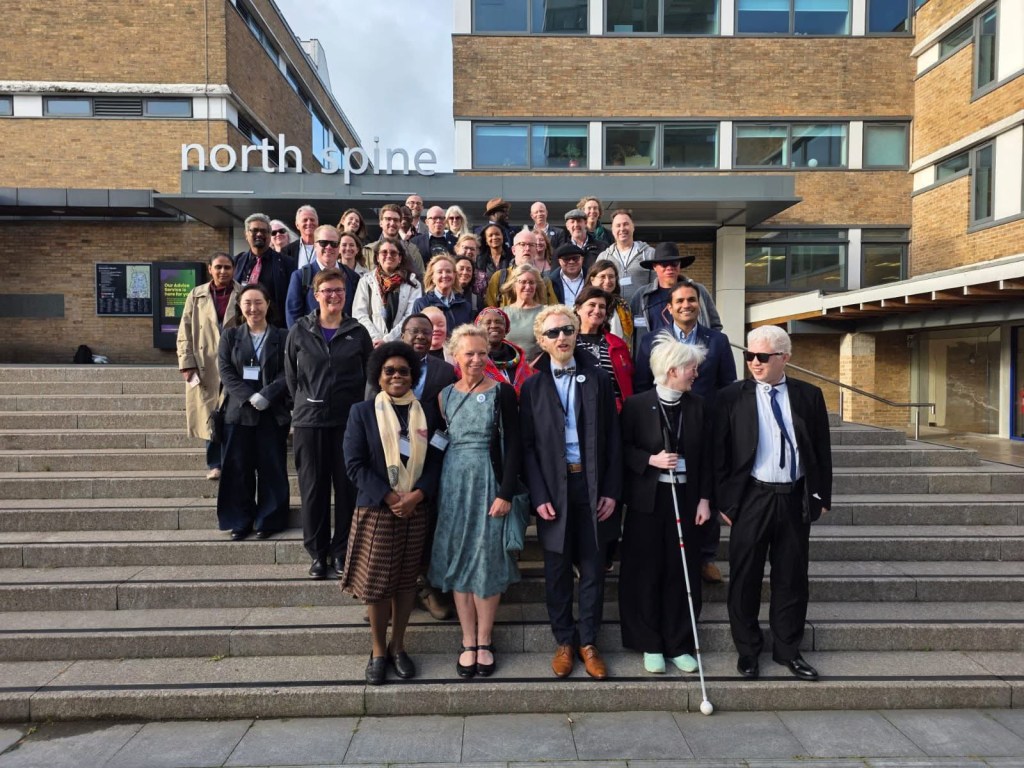
What is gained by these international presentations? Along with sharing the findings of our research with a broader audience, we benefit from learning about others’ research and initiatives, and what common themes and new insights can be made. For example, at the African Studies Association conference in Chicago, we made connections to scholars studying traditional birthing in Africa. In Lancaster, we learnt about the wide-ranging types of advocacy engagement by NGOs. In addition, we heard updates in Ophthalmology and Dermatology highlighting the importance of early screening and other advances and diagnosis for PWA. It was emphasized that for patients and families impacted by albinism that genetic diagnosis is essential for understanding potential long-term treatments. The most common issues relate to ophthalmologic and dermatologic issues include correction of refractive errors, treatments for strabismus and nystagmus, and appropriate use of sunscreen, being the most common and important. Accurate genetic diagnosis and classification of all forms of albinism is crucial in the long-term to individualize treatments for PWA. Equally important as this knowledge exchanges are, the social connections that are made with scholars and advocates from around the globe provide us with a sense of unity in this important work.
Written by:
Dr. Sheryl Reimer-Kirkham, Project Lead

Dr. Barb Astle, Project Co-Lead

 Mothering & Albinism