
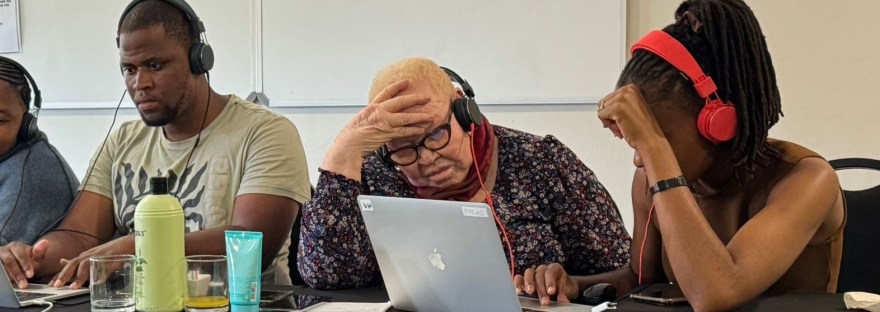
Nsindiso Masiya, an undergraduate nursing student and intern from the University of Pretoria in South Africa, responds to a Digital Story created by a mother with a child with albinism. He says:
A mother’s story, “The Long Road to Acceptance,” resonated deeply with me because it highlighted the painful reality of rejection, stigma, and discrimination that some mothers experience after giving birth to a baby with albinism in South Africa. Her experience of being rejected by her own family and being forced out of her home with her children made me reflect on how much misinformation and lack of understanding about albinism still exists within our communities.
What stood out to me most was that she was not only faced with the responsibility of raising children with albinism alone but also had to deal with rejection from the people who were supposed to be her support system, her family. Her story made me realise that the challenges associated with albinism go beyond the physical or genetic aspects of the condition. Mothers and children may also experience emotional distress, isolation, discrimination, and rejection because of myths and misconceptions that are perpetuated within families and communities.
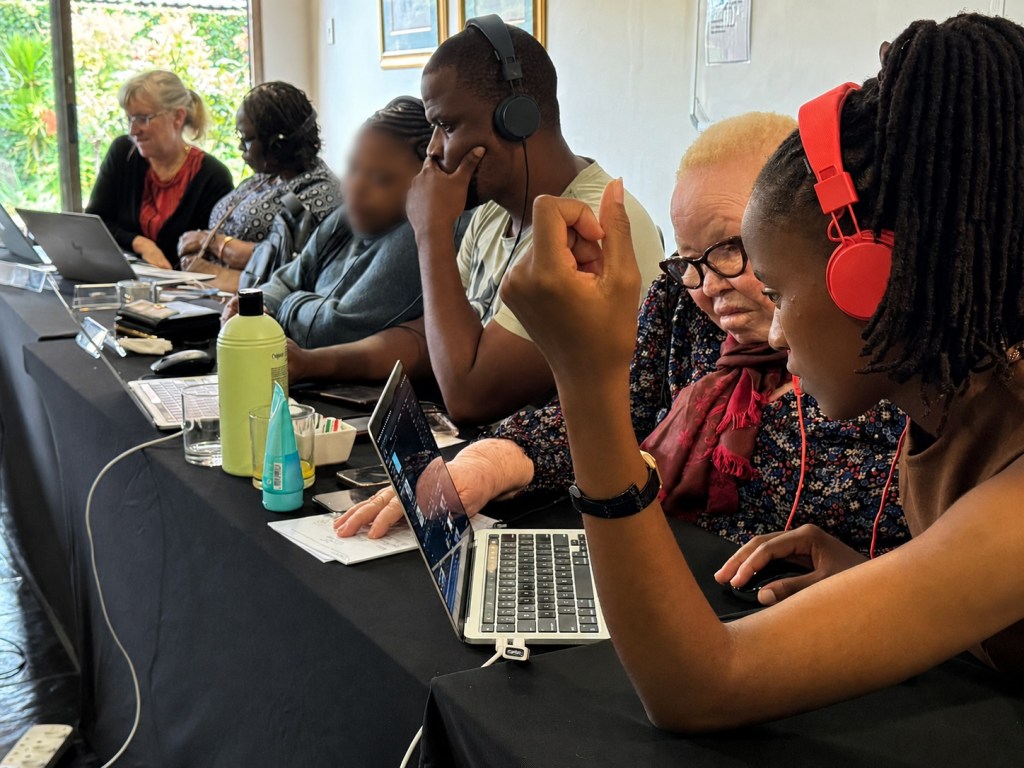
As a 2025-2026 student intern, I was engaged in the Digital Stories Collaborative Action Group, including participating in the Digital Stories workshop held in Pretoria in March 2026. I worked closely with the mother in the Digital Story video and translated her story from isiZulu into English. This experience was particularly meaningful because I realised that I was not simply translating words. I was helping to communicate her lived experience, emotions, and reality to people who may never have had the opportunity to hear her story directly. Listening to her speak about her experiences in her own language made the story feel much more personal and allowed me to appreciate the strength and resilience she demonstrated throughout her journey. This experience also made me reflect on the importance of increasing knowledge and education within communities. When people do not understand albinism, they may develop beliefs that are harmful and can lead to rejection or discrimination. I realised that addressing these misconceptions requires more than educating the individual or the family; the wider community also needs to be included in the conversation.
Working alongside the Collaborative Action Group leads, Dr. Michael Lang and Dr. Kendra Rieger, further changed my understanding of advocacy. Throughout the week, I began to see that being part of Mothering and Albinism was more than simply participating in research.
I was contributing to an important movement that gives mothers a platform to share their experiences and helps challenge the stigma surrounding albinism.
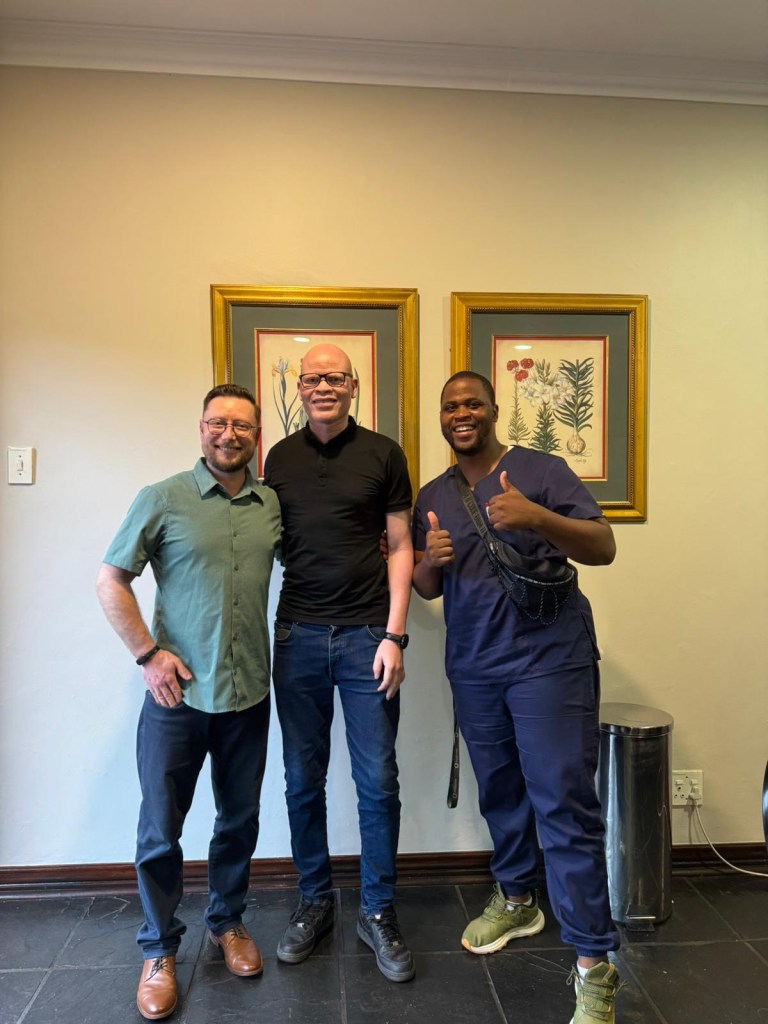
The mother’s story taught me that acceptance begins with understanding, compassion, and listening. Her journey reminded me that real change requires families, healthcare professionals, researchers, and communities to work together. I now see myself not only as a nursing student who participated in a research project but as part of the pioneers working towards a new era—one that is more loving, comforting, accepting, and inclusive for mothers and children living with albinism.
Written by:
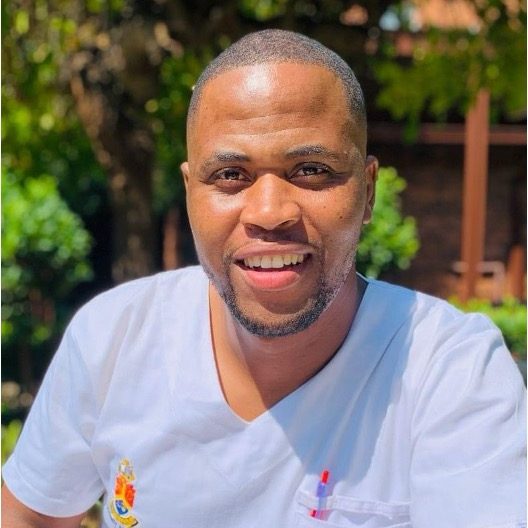
Nsindiso Masiya, 2025-2026 Mothering and Albinism student intern, University of Pretoria, South Africa.

 Mothering & Albinism