

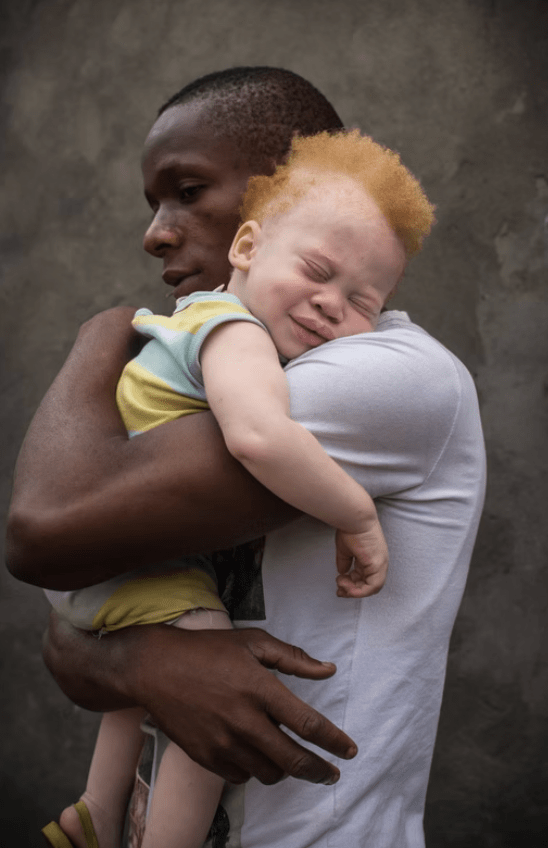
Over the past year, I (Tunu Kibe) have had the opportunity to intern with Mothering and Albinism, a research project dedicated to researching and addressing the stigma and discrimination that mothers of children with albinism, or mothers with albinism, face in healthcare and in their communities. Coming into this project, I knew little about albinism, and while I was aware of the stigma and violence that people with albinism face, such as kidnappings and cutting body parts for false mystical reasons, I did not know more than general information about albinism. I specifically remember as a child in Rwanda, walking with my father, there was a father and his son, who had albinism, walking as well. It was a very hot day, yet the young boy was completely covered up and wearing a bucket hat. I was very curious as to why this was the case. I did not know then that albinism makes the skin very sensitive to sunlight. This is a small example of what I have learned through this internship.
I specifically got the opportunity to work with an action group dedicated to creating a policy brief. A policy brief is a short document intended to inform decision makers and guide policy-making decisions. The action group was a collection of professionals who work in research, nursing, and human rights, as well as albinism advocates dedicated to fostering change and awareness at the governmental level and in health education and practice. Together, we created a policy brief that provides evidence of the challenges that mothers and children with albinism face in healthcare and at the critical juncture of childbirth. These issues include the need for disability awareness in the training of healthcare providers and improved lines of support for mother and child, including genetic counseling and access to necessary supplies such as sunscreen. Over the course of many weeks and many meetings with participants from around the world, we outlined how global health organisations, ministries of health, and civic institutions can intervene to develop robust practices that increase awareness, and reduce stigma and discrimination for mothers and children born with albinism.

Participating in the action group taught me how to engage a non-academic audience (e.g., government, organisations) with academic research. The Mothering and Albinism research was conducted across four countries and over the span of 10 years. As an undergraduate student with a communication major, writing about research was not new to me; however, engaging this closely with research of this scale and creating writing material that supports its implementation was a learning point. Before I started writing anything, I had to do a lot of reading. I read journal articles and research on albinism, knowledge transfer and dissemination, the use of social media for knowledge transfer, and the creation of policy briefs. This wide range of reading expanded my knowledge base and prepared me to develop writing material and conduct preliminary research on the specific audiences we were trying to reach with our policy brief. One of these pieces was an audience analysis on social media, aimed at helping us understand where and how people engage with albinism online, including those with albinism and albinism advocates.
Through this analysis I learned that the conversation around albinism online is segmented largely into three areas: albinism support groups, large organisations that focus on albinism and other disabilities, and micro-influencers such as people with albinism or mothers of children with albinism. This analysis was conducted to guide how our policy brief can engage these audiences. Another aspect of my responsibilities was doing research on how to utilise our own communication channels as well, such as this website and social media. The aim of both these activities is to increase visibility for our research and create a catalogue of accessible information about albinism. Once we established an audience and understood who to reach and how, I began work on summarising the policy brief, keeping in mind the general public as the audience. As policymakers receive and read a lot of policy briefs, the shortened version was intended to be concise, encapsulating the most essential information.
Overall, this internship expanded my knowledge about albinism, a disability and genetic condition, and taught me how to participate in advocacy on the policy level. Through this work, I have gained more information on the condition which has also helped me inform those around me who may have the same lay knowledge about albinism that I did. I have grown in my skills as a writer and have practised both writing for an academic audience and translating knowledge for a non-academic audience. I have had the opportunity to listen to incredible people who have spent years studying and learning in their respective fields and bringing their expertise into the Mothering and Albinism research work. The conversations we have had in developing the policy brief have grown my understanding of how policies are shaped and how they are meant to serve those who are treated unjustly in our society. I am thankful for the year of learning I have had in this internship.
Written by:
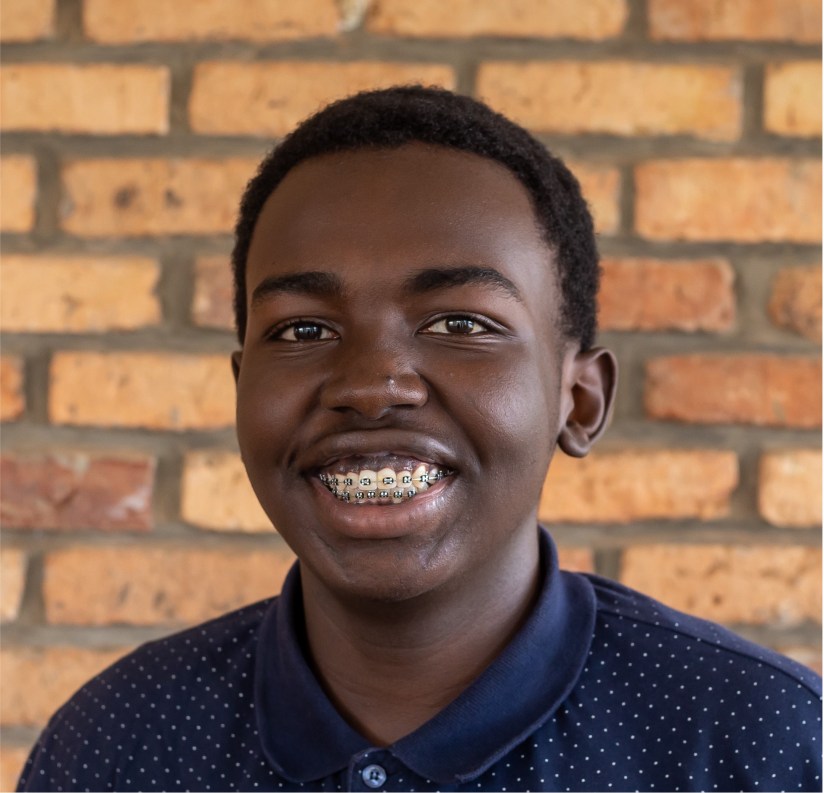
Tunu Kibe, 2025-2026 Student Intern, Trinity Western University, Canada.


