

Kizito Koinet Kileu, an intern from Aga Khan University in Tanzania, reflects:
Participating in the Mothering and Albinism Project as a student intern has been one of the most meaningful learning experiences of my academic journey. As a nursing student, I initially understood albinism mainly as a genetic condition affecting skin pigmentation, vision, and sensitivity to sunlight. However, through this internship, I came to realize that albinism is much more than a medical condition. It is closely connected to human rights, social justice, gender equity, access to healthcare, and the lived experiences of individuals and families affected by it (Jabłońska, 2025; Reimer-Kirkham et al., 2024a). This experience broadened my understanding of how health conditions intersect with societal attitudes, policies, and human rights frameworks.

One of the most profound lessons I learned was the importance of listening to people’s stories. Reading research articles and policy documents provided valuable knowledge, but learning about the experiences of mothers and families affected by albinism helped me understand the realities behind the statistics. I reached out to the Tanzania Albinism Society (TAS) to learn from them about challenges they have been encountering in supporting persons affected by albinism and what strategies they have in place to make sure they are protecting them. From TAS, I learned about the challenges many individuals face, including stigma, discrimination, social exclusion, and barriers to healthcare and education. At the same time, I was inspired by the strength, resilience, and determination demonstrated by these families as they advocate for their rights and support one another (Reimer-Kirkham et al., 2024b; 2026).
The stories of mothers particularly touched me. Despite facing social and economic challenges, many mothers continue to be strong advocates for their children and communities. Their courage taught me that resilience is not simply about overcoming difficulties as an individual; it is also about drawing strength from supportive relationships, community networks, and collective action (Reimer-Kirkham et al., 2026; Rieger et al., 2026). Learning about peer support initiatives and community-led advocacy highlighted the power of solidarity in promoting inclusion and improving the well-being of families affected by albinism (Reimer-Kirkham et al., 2026; Ibhawoh et al., 2022).

This internship also transformed the way I think about healthcare through my work in summarizing evidence for a Care Pathway Clinical Guidelines (a resource for healthcare providers, which will be a forthcoming output). I gained a deeper appreciation for the fact that quality healthcare extends beyond diagnosis and treatment. It involves understanding a person’s social environment, cultural context, emotional well-being, and access to resources. I became more aware of the important role healthcare professionals play in providing accurate health information, challenging misconceptions, promoting inclusion, and advocating for equitable access to care. As a future nurse, I better appreciate the importance of person-centred care and addressing the social determinants that influence health outcomes. Another important aspect of my learning was understanding the role of advocacy and policy in creating sustainable change. Through reviewing the Tanzania National Action Plan on Albinism and other albinism-related resources, I appreciated how research, advocacy, government commitment, and community engagement can work together to improve the lives of persons with albinism. I learned that meaningful progress requires intersectoral collaboration among healthcare professionals, researchers, policymakers, community leaders, families, and persons with albinism themselves (United Nations, n.d.).
Professionally, this experience has strengthened my commitment to health equity and person-centred care. It has broadened my perspective as a future nurse and increased my awareness of the social determinants of health. I have developed a greater appreciation for the importance of advocacy, public education, and culturally sensitive care. The internship has also enhanced my research, communication, and critical thinking skills while reinforcing the responsibility that healthcare professionals have in promoting dignity, respect, and inclusion for all individuals, regardless of their circumstances (United Nations, n.d.).
Personally, this journey challenged many of my assumptions and encouraged me to reflect on the values of empathy, compassion, and social responsibility. It reminded me that every individual deserves to be treated with dignity and respect, regardless of their appearance or background. Most importantly, it inspired me to continue supporting efforts that promote awareness, reduce stigma, and improve the quality of life of persons with albinism and their families (United Nations, n.d.).
Upon reflection, I am grateful for the opportunity to contribute to the Mothering and Albinism project. The experience has expanded my knowledge but has also shaped the kind of healthcare professional I aspire to become—one who values equity, advocates for structurally vulnerable populations, and recognizes the powerful connection between health, human rights, and social justice. The lessons I have learned during this internship will continue to influence my nursing practice and my commitment to creating a more inclusive and compassionate healthcare system.
Written by:
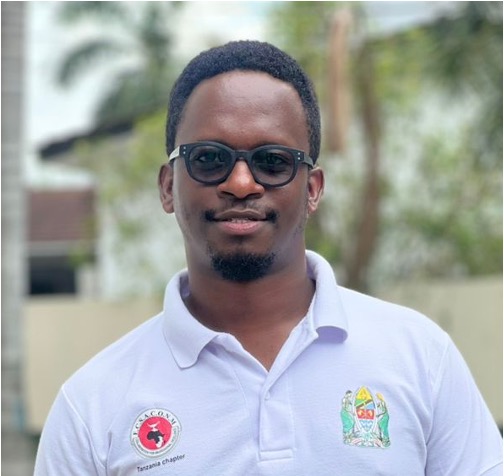
Kizito Koinet Kileu, Student Intern 2025-2026 from Aga Khan University, Tanzania.
References
Jabłońska, P. (2025). Analysis of religious freedom for Christians in Tanzania: 2024 report. https://www.bing.com/ck/a?!&&p=c9864db0f6ce34535f6fe0b039a2e85443391f8e1ffb916a2a07899a582b58c7JmltdHM9MTc4MzkwMDgwMA&ptn=3&ver=2&hsh=4&fclid=180b400c-67ea-6f23-306f-51b563ea6991&u=a1aHR0cHM6Ly9yZXBvenl0b3JpdW0ud3NiLW5sdS5lZHUucGwvc2VydmVyL2FwaS9jb3JlL2JpdHN0cmVhbXMvNjJlZWYwYzktOTQ5Mi00MDVjLWI4N2UtNjc5NTgxZmIzYjJiL2NvbnRlbnQ
Reimer-Kirkham, S., Astle, B., Ero, I., Beaman, L., Ibhawoh, B., Sawatzky, R. Tettey, W., Buyco, M., & Strobell, E. (2024a). Mapping a research-advocacy-policy agenda on human rights and albinism: A mixed methods project. International Journal for Equity in Health, 23. https://doi.org/10.1186/s12939-023-02064-5
Reimer-Kirkham, S., Astle, B., Kromberg, J., Mgijima-Konopi, I. Mooa, S., de Waal, M., Buyco, M., Ero, I., Msipa, D., Nesengani, V., Mazibuko, N., Leech, R., & Tjope, M. (2024b). Birth stories of South African mothers of children with albinism: A critical human rights analysis. International Journal of Africa Nursing Sciences, 20(100650). https://doi.org/10.1016/j.ijans.2023.100650
Rieger, K.L., Ohene, L., Nesengani, T.V., Siaity-Pallangyo, E., Leech, R., Duncan, D., Buyco, M., Watts, I., Mokwele, T., Wilson, J., Mayich, K., Ero, I., Mooa, R.S., Astle, B., & Reimer-Kirkham, S. (2026). Curriculum resources for integrating respectful maternity care into health professions education: A rapid scoping review. Journal of Midwifery and Women’s Health. https://doi.org/10.1111/jmwh.70129
Reimer-Kirkham, S., Astle, B., Ero, I., Beaman, L., de Waal, M., Ibhawoh, B., Imafidon, E., Kromberg, J., Leech, R., Mazibuko, N., Mgijima-Konopi, I., Mooa, R. S., Msipa, D., Senkoro, P., Sharma, S., Tettey, W., Tjope, T., Wiafe, B., Buyco, M., & Strobell, E. (2026). A comparative analysis of the critical resilience and gender equity of mothers impacted by albinism: Promising practices from Tanzania and South Africa. Public Health Challenges, 5(2), e70239. https://doi.org/10.1002/puh2.70239
United Nations. (n.d.). About albinism and human rights: Independent expert on albinism. https://www.ohchr.org/en/special-procedures/ie-albinism/about-albinism-and-human-rights


